Quick answer: Who is the owner of CSK now?
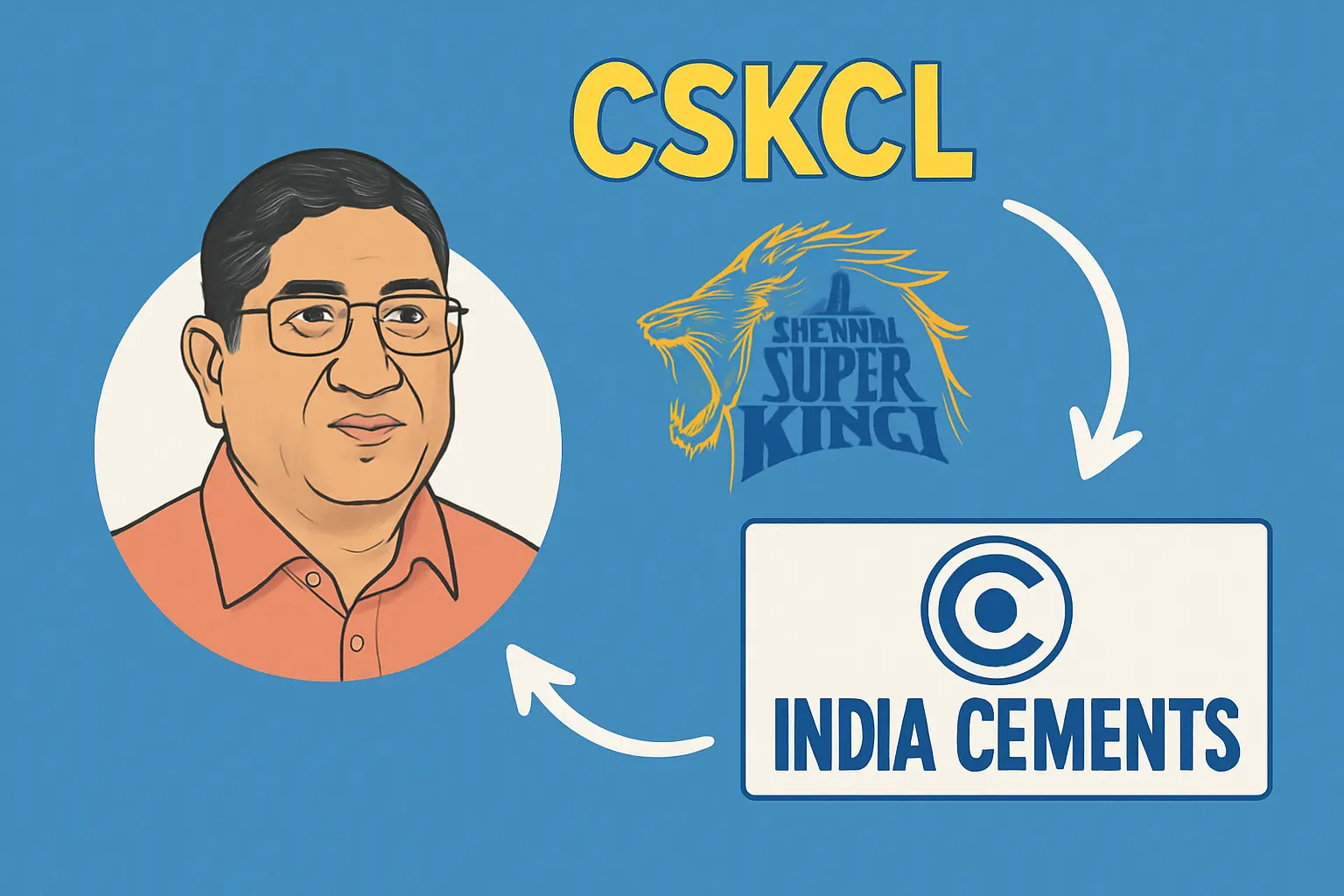
Chennai Super Kings is owned by Chennai Super Kings Cricket Ltd (CSKCL), a public unlisted company. The principal promoter associated with the franchise is N. Srinivasan, long-time India Cements head and a key figure in Indian cricket administration. K.S. “Kasi” Viswanathan serves as CEO. MS Dhoni is not the owner.
Introduction: What most fans miss when they ask “Who owns CSK?”
In the stadium, the answer feels simple: you look around at a sea of yellow and feel the franchise belongs to the people who sing, whistle, and live every ball. Legally and financially, the reality is different and far more interesting. CSK is not a private vanity project nor a loose arm of a conglomerate. It is housed in a dedicated corporate vehicle, run by a seasoned cricket-business brain trust, and tied—historically and culturally—to India Cements. Understanding the CSK owner means understanding that structure, the reforms that reshaped it, and the way this team has used rigorous governance and deliberate culture-building to become one of sport’s most valuable names.
Let’s go deeper than headlines and nameplates. This is the inside view: the company, the promoters, the finances, the global footprint, the controversies handled, and why the group’s steady hand—more than any one individual—has become the franchise’s defining edge.
A quick disambiguation: CSKCL vs India Cements
Many fans confuse two entities:
- Chennai Super Kings Cricket Ltd (CSKCL): The company that owns and operates the Chennai Super Kings IPL franchise, as well as the group’s expansion teams and academies. It is a public unlisted company with its own board, shareholding, and financials.
- India Cements Ltd: The diversified cement company historically associated with the birth and early stewardship of the CSK franchise. It has been central to the franchise’s origin story and remains linked through promoter relationships, but CSKCL is now the dedicated home of the team.
In simple terms: CSKCL owns CSK. India Cements is the historic parent and promoter-linked company that helped build the foundations and still matters in the narrative, but the franchise sits within its own corporate house.
CSK ownership structure: How it’s set up today
- Core company: Chennai Super Kings Cricket Ltd (CSKCL).
- Promoter and promoter group: Led by N. Srinivasan and family interests. Over time, the promoter group has retained a significant stake and influence through CSKCL’s governance and strategy.
- Public shareholders: CSKCL is public but unlisted. A broad base of shareholders—many of whom came in via corporate restructuring in the past—hold the remaining shares. These shares trade in the unlisted market through specialized brokers.
- Board and management: K.S. Viswanathan, universally known as Kasi, is the operational anchor as CEO. The cricket operations core features long-term voices—coach Stephen Fleming, captaincy leadership that has passed from MS Dhoni to Ruturaj Gaikwad, and an analytics and scouting system that feeds decisions. The board includes promoter representatives and independent oversight typical for a public company.
The key point: The brand many associate with India Cements now stands on the legs of CSKCL. That separation was the outcome of structural clarity and cricket governance reforms. On the ground, it has produced a cleaner line of sight for investors, auditors, and fans who look closely at the finances.
Ownership phases: A clean timeline without the clutter
Every great franchise has chapters. For CSK’s ownership, think of it as five clear phases.
Phase one: Launch and anchoring
- The franchise is acquired and incubated within the larger India Cements umbrella.
- The operational nucleus begins to form—a blend of cricket intelligence, recruitment patience, and a “process-first” mantra that fans would later come to idolize.
- Early success arrives quickly. The blend of senior pros and high-ceiling domestic talent becomes a template others try to mimic.
Phase two: Governance reforms and structural clarity
- Indian cricket’s governance tightened after a period of scrutiny across the league.
- The franchise ownership moves into a dedicated corporate entity, Chennai Super Kings Cricket Ltd.
- Shareholders of the historic parent company receive shares in CSKCL, leading to a public unlisted base. The promoter group remains central to decision-making.
- This move—often misunderstood—allows the franchise to be examined and valued as a sports business in its own right.
Phase three: The two-season suspension
- A painful chapter arrives. The franchise is suspended for two seasons after the league cracks down in the wake of a broader betting and integrity scandal that touched a team official associated with the promoter family.
- Players scatter, but the culture is preserved. Management keeps the core playbook, the scouting files, and the coaching group intact. It is corporate governance through storm weather: hold the process, hold the people.
Phase four: Return and consolidation
- The team returns. The approach is familiar: invest in role clarity, prize stability, and back players through dips. Sentiment says “Dad’s Army”; the results say “still ruthless.” The franchise’s valuation begins to climb again, boosted by consistent performance, a deep fan base, and soaring league media economics.
Phase five: Global Super Kings and the multi-club model
- The group extends its footprint into other leagues, building the “Super Kings” brand in South Africa (SA20) and the United States (Major League Cricket).
- Academy rollouts and grassroots investments deepen the funnel for talent and fan loyalty. The result is a cohesive identity that travels beyond the IPL window.
About the key promoter: N. Srinivasan
Even among fierce rivals, very few deny this: N. Srinivasan shaped the modern business of Indian cricket as much as any executive of his era. His profile is at once simple and layered.
- Business roots: Cement. A tough, cyclic, commodity-heavy sector where fortunes are built on logistics, capital discipline, and a manager’s instinct for long games. Those instincts spill over into how the franchise is run: patient bets, low drama, clarity of roles.
- Cricket administrator: Former head roles at state, national, and global levels cemented his influence in cricket governance. He is a strategist by nature, an institution-builder in practice, and a polarizing figure in public debate.
- CSK promoter role: The promoter group he leads underpins CSKCL’s control structure and the club’s overall course. Colleagues describe him as firm and decisive, but unafraid to delegate—especially to trusted lieutenants like CEO Kasi and coach Fleming.
- Family: The family has been deeply engaged in both business and cricket. This includes Rupa Gurunath’s presence in corporate and state cricket administration and the publicly documented controversy around Gurunath Meiyappan, a phase the organization has addressed and moved beyond.
CSK owner net worth: What to know
Formal net-worth estimates are slippery because they blend listed holdings, unlisted exposure, and private assets. Broadly, public profiles place N. Srinivasan’s family wealth in the multi-thousand-crore-rupee range. What matters more for CSK watchers is this: the promoter group’s capital base is seasoned, diversified, and committed to the franchise for the long haul. That stability—more than any headline figure—has been the brand’s greatest moat.
What actually runs CSK day to day
If the promoter’s job is to set the guardrails, the CEO’s job is to drive without scraping them. Kasi Viswanathan is the quietest operator in Indian sports. He rarely courts the microphone; he almost never misses a detail. The stories from the auction table are always the same: a short list, a clear number, and no panic. On retention day, the same mood: an honest conversation with the player and agent, a contract that fits the budget, and immediate clarity to the coaching group.
Stephen Fleming’s cricket philosophy dovetails perfectly with that rhythm. He favors defined roles, not flamboyant overhauls. Bowlers are picked to suit home conditions and matchups, not just raw pace. Batters are backed to ride out lean patches, provided their role remains pivotal. The results show up over and over: a middle overs spin squeeze at Chepauk; the calculated late-overs hitting with tall hitters; dhoni-time cameos reshaping chases; and now, a younger captain in Ruturaj Gaikwad translating the handbook into his own voice.
Financials: How CSK makes money and what the numbers imply
CSKCL’s revenues come from predictable sources and a few that most fans underestimate.
- Central pool distribution: Each franchise receives a significant share of BCCI’s media-rights pot. The IPL media contract has transformed franchise economics; central revenue is the tide that lifts all boats.
- Team sponsorships: Principal sponsorship and a stable of official partners deliver a large bite of recurring income. CSK’s sponsor roster has consistently featured blue-chip consumer brands—tyre, oil, paint, cement, telecom, fintech, and more.
- Ticketing and hospitality: Full stadiums at Chepauk impact not just gate receipts but also corporate hospitality packages and premium experiences. CSK’s home game demand is among the most reliable in the league.
- Merchandising: Jerseys, caps, lifestyle apparel, and collectibles. The “Whistle Podu” culture offers more monetizable touchpoints than most franchises dare to chase.
- Prize money and performance bonuses: While a smaller slice, consistent high finishes add up.
- Academy and grassroots programs: Fees, camps, and brand extension into youth cricket deliver both revenue and a future talent pipeline.
- Global teams and content: Joburg Super Kings (SA20) and Texas Super Kings (MLC) open new inventory—sponsor cross-pollination, shared content IP, and off-season fan engagement.
A simple revenue mix illustration (indicative only)
- Central pool distribution: large share
- Sponsorship and partnerships: large share
- Ticketing and hospitality: medium share
- Merchandising and licensing: small to medium share
- Prize money and other income: small share
- Academies and global ventures: growing share
Profitability
CSKCL has, in recent seasons, posted robust profits. The combination of a high central pool, disciplined spending, and brand premiums on sponsorship rates gives the franchise resilience even when on-field results fluctuate. A crucial factor: CSK rarely indulges in wholesale squad overhauls that create sunk costs. The auction strategy is measured, with limited panic-buying.
Brand valuation
Brand Finance and other valuation agencies routinely place CSK among the top two IPL brands by value. The number is not just about trophies; it captures longevity, multi-city fandom, sponsor warmth, and trust. It also captures something harder to quantify: the way the team feels. Yellow is not paint; it’s a feeling. That matters to partners and investors alike.
- Status: Public but unlisted. CSKCL shares can be bought or sold in the unlisted market via specialized platforms and brokers who match buyers with sellers.
- Price and liquidity: The price is not quoted on a stock exchange; it moves on negotiated demand and supply. In practice, quotes often swing widely based on on-field performance, trophy runs, news about media-rights economics, or IPO speculation. Market chatter typically references a three-digit or low four-digit price per share in INR, but this can change quickly.
- Settlement: Trades are executed off-market and settled through depository transfer (NSDL/CDSL). Know-your-customer and documentation are essential.
- Dividends: CSKCL has paid dividends in some seasons, subject to profits, board approval, and cash needs. Investors should not assume predictable yields.
- Risks: Illiquidity is the first risk. Spread between buy and sell can be steep. Price discovery is opaque. Counterparty risk exists if you don’t use reputable intermediaries. This is not a playground for first-time investors without guidance.
- IPO and listing: There is persistent speculation about a CSKCL IPO. As of now, there is no official, binding announcement. If the company does pursue a listing, it will be governed by SEBI norms, and a red herring prospectus would spell out risks and financials in detail.
A quick table to make sense of CSKCL as an investment-like instrument
| Instrument | Public, unlisted equity |
|---|---|
| Where it trades | Off-market via unlisted-broker platforms |
| Price discovery | Negotiated; supply-demand driven |
| Liquidity | Variable; can be thin |
| Dividends | Occasional; not guaranteed |
| Key drivers | IPL media economics, team performance, sponsor roster, brand expansion, governance clarity |
| Primary risks | Illiquidity, wide spreads, regulatory changes, on-field volatility |
| Suitable for | Investors comfortable with unlisted equity risk and long horizons |
Other teams owned by the CSK group
- Joburg Super Kings (SA20): South Africa’s top T20 league has shown strong fundamentals—solid broadcast production, a good window, and competitive quality. The CSK playbook travelled well: long-term coaching leadership, familiar analytics language, and emphasis on squad balance. There’s also the quiet benefit of creating a year-round employer brand for T20 specialists.
- Texas Super Kings (Major League Cricket): The most intriguing bet in the group. MLC’s early seasons surprised many with attendances and television quality. The American market rewards storytelling and community building; CSK’s disciplined brand-building and diaspora warmth give TSK a runway. Crucially, the group’s academy and grassroots thinking can shape youth cricket in a market still discovering bat-and-ball rhythm.
Why multi-team ownership matters
- Sponsor synergies: A global partner can spread budgets across India, Africa, and the US with consistent creative assets and athletes.
- Talent pipeline: Cross-league contracts help retain fringe players who might otherwise drift away.
- Coaching continuity: One philosophy, different surfaces. You build a reference library of matchups on fast, bouncy pitches in South Africa and hybrid surfaces in the US, then bring those insights into Chennai when needed.
- Content and IP: One documentary crew, three storylines. That’s gold for modern fan engagement.
Controversies and compliance: A balanced view
- Betting and integrity episode: A team official linked to the promoter family was implicated in betting-related misconduct. The fallout was severe: CSK was suspended for two seasons. The organization accepted the sanction, cooperated with processes, and rebuilt thereafter. The lessons are embedded: stricter internal controls, clearer boundaries, and a conservative approach to conflict-of-interest optics.
- Conflict-of-interest era and structural shift: Governance reforms in Indian cricket reshaped how team ownership and cricket administration could coexist. The outcome for CSK was the transfer of franchise ownership into CSKCL and the promoter group’s oversight through appropriate corporate structures, rather than direct shelter under the old parent.
- Today’s compliance posture: The franchise runs with a public-company discipline—audits, board processes, and a management culture that puts guardrails first. People often describe CSK as “boringly competent” in off-field matters—a compliment in a sport that loves drama.
How culture and ownership intersect at CSK
If you’ve ever stood near the CSK auction table, here’s what you’ll notice. There are fewer voices than you’d expect for a club with this kind of profile. The preparation happens earlier; the arguments are settled before the paddles go up. Fleming’s notes are clean. Kasi’s eyes flick across the room, reading not just the player list, but the body language of bidding rivals. The promoter group’s influence is felt not in grandstanding, but in clarity: this much for this role, this profile for Chepauk, this one as a death-overs plan B. No panic.
On matchday, the values show up in another way. The captain doesn’t need to shout. The coach doesn’t panic over one bad powerplay. The analyst’s sheet doesn’t fall apart because a left-arm quick took out the opener. They’ve already penciled in the pivot: bowlers you can bank on to hit a hard length into the pitch, or a left-arm spinner whose release speed makes batters miscalculate the slog sweep. Ownership, in other words, isn’t a nameplate. It’s a way of taking decisions. CSK’s owner story is a culture story.
Evergreen FAQs about the CSK owner
- Who is the real owner of CSK? Chennai Super Kings is owned by Chennai Super Kings Cricket Ltd (CSKCL), a public unlisted company. The key promoter associated with CSKCL is N. Srinivasan. Operationally, CEO K.S. Viswanathan runs day-to-day affairs.
- Is CSK owned by India Cements? CSK was born under the India Cements umbrella and is historically tied to it. Today, the franchise is owned by CSKCL, a separate company. The promoter group led by N. Srinivasan provides continuity between the two narratives.
- Is MS Dhoni the owner of CSK? No. MS Dhoni is a player, leader, and cultural icon, not a shareholder-promoter. His influence on cricketing decisions and brand aura is enormous, but he does not own the team.
- Who is the CEO of CSK? K.S. “Kasi” Viswanathan. He is widely respected across the league for running a tight, calm ship.
- Who founded CSK? The franchise was established at the inception of the league by India Cements. The CSK story later moved into CSKCL, the dedicated corporate home.
- What is CSK owner N. Srinivasan’s net worth? Public sources estimate family wealth in the multi-thousand-crore-rupee range. Precise figures vary by source and depend on market prices, unlisted holdings, and private assets.
- What is the company that owns CSK? Chennai Super Kings Cricket Ltd (CSKCL).
- What is CSK’s shareholding pattern? Broadly, promoter and promoter group on one side, public shareholders on the other. Exact percentages change with transfers and buy-sell activity in the unlisted market. CSKCL filings and annual reports describe the pattern in detail.
- Why was CSK suspended for two seasons? A betting and integrity episode involving a team official led league authorities to impose a two-season suspension. The franchise returned, complied with governance expectations, and restored competitive standing.
- Which other teams does the CSK group own? Joburg Super Kings in SA20 and Texas Super Kings in Major League Cricket.
- Does CSK pay dividends to shareholders? CSKCL has paid dividends in some years, subject to profitability and board approval. There is no guaranteed payout.
- Is CSK listed in the stock market? CSKCL is public but unlisted. The shares trade off-market through unlisted brokers. No official IPO has been announced.
- What is CSKCL’s unlisted share price today? Prices vary by platform and deal size. Expect quotes to fluctuate widely and spreads to be meaningful. Use reputable intermediaries and perform due diligence.
- Does the CSK group have an academy? Yes. The Super Kings Academy runs structured programs that feed the talent pipeline and deepen community engagement, in India and increasingly abroad.
How the owner’s philosophy shows up in cricketing detail
- Squad composition: CSK tends to carry utility batters who can bowl a few and bowlers who can swing the bat—multi-dimensional cricketers who reduce substitution pressure.
- Role integrity: A finisher is a finisher; a powerplay enforcer isn’t pushed into death overs without a plan. The point is trust over time, not chopping and changing.
- Home advantage: Chepauk’s surface knowledge is a competitive edge. Spinners with subtle variations, seamers who hit the deck, and batters who work the square boundaries are valued.
- Auction restraint: If a target blows past the internal valuation, CSK walks away without theatrics and finds a Plan B who fits the role, even if less glamorous.
- Continuity: Coaching and leadership continuity is not nostalgia—it’s compounding. The more a group plays together, the richer the strategic shorthand.
Sponsorships and brand partnerships
Brands chase teams that offer certainty: stable leadership, predictable content, and a trajectory that doesn’t depend solely on a single hero. CSK has delivered that. Sponsors stick around because deliverables are met, creative assets are consistent, and the franchise doesn’t change its brand story every season. Think of it as enterprise-grade marketing in a sport where emotions run hot. That’s an owner’s signature.
The India Cements and CSK relationship in plain words
- Origin: India Cements was the home where CSK was conceived and built.
- Transition: Governance reforms prompted a formal shift to CSKCL, a separate corporate home.
- Continuity: The promoter group ensures strategic continuity between the two eras.
- Practical effect: When you look up who owns CSK, the correct, current answer is CSKCL; when you look up who built CSK’s early identity, you cannot omit India Cements.
CSK’s soft-power advantage: the yellow economy
There’s a humming economy around the team that the balance sheet can’t fully capture. Street vendors near Chepauk who know the matchday pulse. Regional musicians who riff on Whistle Podu rhythms. Small creators who build reel after reel—for whom CSK is a color palette, not just a franchise. The owner’s role here is invisible—don’t get in the way, support the community, keep the fan-first promise. Decisions like open training sessions and early announcements on ticketing windows are not just PR; they are long-term trust deposits. The cash-out comes when a new sponsor signs on and discovers the emotion their logo is tapping into.
Leadership roles at a glance
- Promoter and principal figure: N. Srinivasan
- Company: Chennai Super Kings Cricket Ltd (CSKCL)
- CEO: K.S. Viswanathan
- Head coach: Stephen Fleming
- Captain: Ruturaj Gaikwad
- Cultural icon and mentor: MS Dhoni
A simple ownership and operations map
- Owner company: CSKCL
- Promoter group: Led by N. Srinivasan
- Historic parent: India Cements (origin and legacy link)
- Global teams: Joburg Super Kings, Texas Super Kings
- Key staff: CEO, head coach, captain, scouting and analytics group
- Fans: The final shareholder—in passion if not in paper
What sophisticated investors watch in CSKCL
- Media rights cycles: Uplifts in central revenue drive profitability across the board.
- Sponsorship renewals: The depth and tenure of partners signal brand health.
- Salary cap efficiency: Franchises that spend to the cap but extract more value per rupee win often and waste less.
- Youth funnel: Academy output and domestic scouting quality reduce volatility when seniors retire.
- Regulatory signals: Governance headlines matter. Stability in cricket administration is oxygen for valuations.
- Global synergy: How well JSK and TSK stabilize their own economics and add to the mothership’s IP.
Answering misconceptions about the CSK owner
- “Dhoni owns CSK.” He doesn’t. He owns the imagination, not the equity.
- “India Cements owns CSK.” The current owner is CSKCL. India Cements is part of the origin story and promoter-linked continuity.
- “Unlisted shares are a sure thing.” They are not. They can be illiquid, volatile, and subject to rumor. Treat them like venture-style exposure, not fixed income.
- “CSK is a one-man show.” The spine is multi-person: promoter clarity, CEO calm, coach consistency, captaincy evolution, analyst depth.
Short multilingual FAQ blocks
- Hindi
CSK का मालिक कौन है? CSK का मालिक Chennai Super Kings Cricket Ltd (CSKCL) है; प्रमुख प्रमोटर N. श्रीनिवासन हैं. MS धोनी मालिक नहीं हैं.
CSK शेयर लिस्टेड है? नहीं, CSKCL सार्वजनिक लेकिन अनलिस्टेड कंपनी है.
- Tamil
CSK உரிமையாளர் யார்? CSK-க்கு உரிமையாளர் Chennai Super Kings Cricket Ltd (CSKCL). முக்கிய புரமோட்டர் N. ஸ்ரிநிவாசன். MS தோனி உரிமையாளர் அல்ல.
CSK பங்கு சந்தையில் லிஸ்ட் செய்யப்பட்டதா? இல்லை. பங்குகள் அன்லிஸ்டெட் மார்க்கெட்டில் விற்பனை ஆகும்.
- Telugu
CSK owner ఎవరు? CSKకి యజమాని Chennai Super Kings Cricket Ltd (CSKCL); ప్రధాన ప్రమోటర్ N. శ్రీనివాసన్. MS ధోనీ యజమాని కాదు.
CSK షేరు మార్కెట్లో లిస్టింగ్ ఉందా? లేదు. ఇది పబ్లిక్ అన్లిస్టెడ్.
- Bengali
CSK-এর মালিক কে? মালিক Chennai Super Kings Cricket Ltd (CSKCL); প্রধান প্রোमोটার এন. শ্রীनिবাসन. এমএস ধোনি মালিক নন.
CSK কি শেয়ার বাজারে তালিকাভুক্ত? না, এটি পাবলিক আনলিস্টেড.
The bigger picture: Why CSK’s owner story matters for Indian sport
India is learning how to run sports as an industry. CSK is among the finest case studies because it blends old-school promoter conviction with modern corporate form. You see it in careful demergers, clean structures, and consistent leadership. You see it in the patience for players, the restraint at auctions, and the appetite for global bets that still feel measured.
The league today is a magnet for venture capital, institutional money, and sports-tech startups. Many will chase heat; few will chase habit. CSK has specialized in habit. The promoter set the tone, the company locked in the process, and the cricket thinkers turned that into results. The yellow stands are the dividend.
Key takeaways
- Ownership today: CSKCL owns CSK; promoter group led by N. Srinivasan provides strategic continuity.
- India Cements link: Foundational and historic; now a promoter-connected legacy rather than the current owning entity.
- Governance: Post-reform clarity protects the franchise and its investors.
- Finances: Strong central pool, sponsor depth, ticketing strength, and growing global synergies drive profitability.
- Unlisted equity: Tradable off-market with material liquidity and price-discovery risks; no confirmed IPO at present.
- Culture: Calm leadership, role clarity, and disciplined auctions are the real competitive advantages.
Conclusion: The owner, the company, and the idea called CSK
Ask a fan who owns CSK and they’ll say: we do. Ask a lawyer and you’ll get CSKCL. Ask a rival executive and they’ll mutter: the process owns that place. The truth lives in the overlap. CSK’s owner is a company, steered by a promoter with deep cricket-business chops, executed by a CEO-coach leadership that values quiet competence, and cheered by a public that made yellow a feeling. That is the formula. No big speeches. No sudden pivots. Just a sharp pencil, a long memory, and a stadium that sounds like an aircraft taking off.
Who owns CSK? CSKCL in legal terms. The promoter group in strategic terms. Chennai in spirit. And if you’ve ever watched a tense chase melt in the final over while the stands whistle in unison, you know exactly how those three things became one.
Zahir, the prolific author behind the cricket match predictions blog on our article site, is a seasoned cricket enthusiast and a seasoned sports analyst with an unwavering passion for the game. With a deep understanding of cricketing statistics, player dynamics, and match strategies, Zahir has honed his expertise over years of following the sport closely.
His insightful articles are not only a testament to his knowledge but also a valuable resource for cricket fans and bettors seeking informed predictions and analysis. Zahir’s commitment to delivering accurate forecasts and engaging content makes him an indispensable contributor to our platform, keeping readers well informed and entertained throughout the cricketing season.